Bhopal recuerda el peor accidente industrial de la historia
Durante la madrugada del 2 al 3 de diciembre de 1984, una fuga de gas isocianato de metilo en la fábrica de pesticidas de Bhopal (India) provocó la muerte de miles de personas.
 6 Fotos
4 / 6
6 Fotos
4 / 6
-
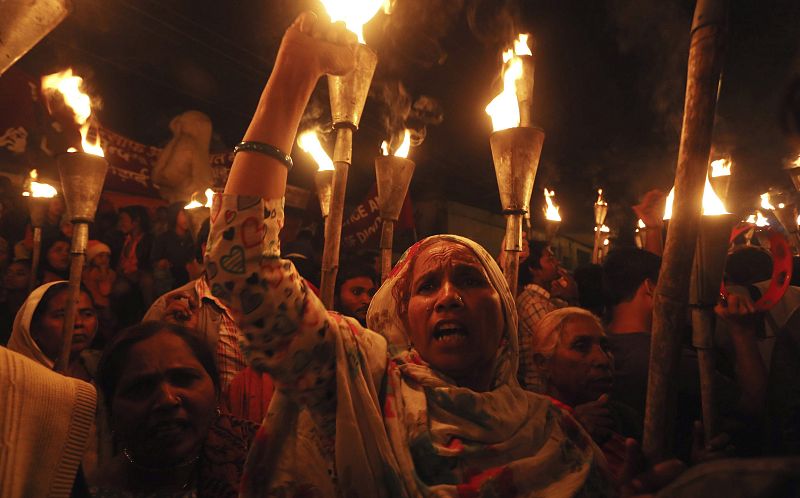
BHOPAL RECUERDA EL PEOR ACCIDENTE INDUSTRIAL DE LA HISTORIA SIN JUSTICIA
03.12.2014BOP11 BHOPAL (INDIA), 02/12/2014.- Varios supervivientes y familiares de las víctimas del accidente industrial en la ciudad india de Bhopal portan antorchas durante una marcha por el trigésimo aniversario de la tragedia, en Bhopal, India, hoy, martes 2 de diciembre de 2014. La madrugada del 2 al 3 de diciembre de 1984 la planta Union Carbide India dejó escapar 42 toneladas del gas isocianato de metilo, que el viento arrastró hacia los barriadas de chabolas cercanas a la fábrica, y que provocó la muerte de al menos 15.000 personas. EFE/SANJEEV GUPTAEFE/SANJEEV GUPTA -
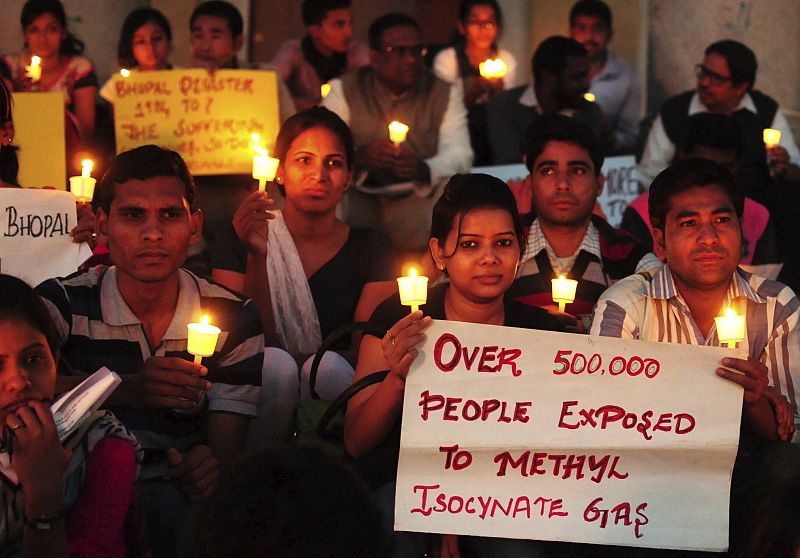
BHOPAL RECUERDA EL PEOR ACCIDENTE INDUSTRIAL DE LA HISTORIA SIN JUSTICIA
03.12.2014INB06 BANGALORE (INDIA), 02/12/2014.- Varios miembros de la organización no gubernamental, Grupo Solidario Bengaluru, portan carteles y velas durante un acto de recuerdo del trigésimo aniversario del mayor accidente industrial de la historia en la ciudad india de Bhopal, en Bangalore, India, hoy, martes 2 de diciembre de 2014. La madrugada del 2 al 3 de diciembre de 1984 la planta Union Carbide India dejó escapar 42 toneladas del gas isocianato de metilo, que el viento arrastró hacia los barriadas de chabolas cercanas a la fábrica, y que provocó la muerte de al menos 15.000 personas. EFE/Jagadeesh NvEFE/Jagadeesh Nv -
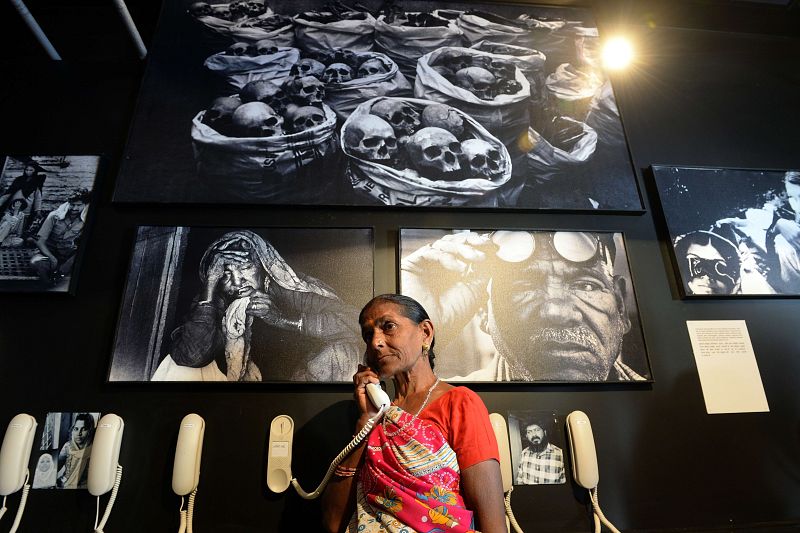
del6374525
03.12.2014Bhopal Gas disaster survivor Vishnu Bai listens to her taped audio testament at the Remember Bhopal museum in Bhopal on December 2, 2014. The oral history museum houses personal belongings of the victims and the deceased and is accompanied by an audio clip of their family members. The Bhopal industrial disaster, the world's worst industrial disaster in 1984 when gas leaked from a pesticides plant owned by the US multinational Union Carbide, killed about 4,000 people on the night of December 3, 1984. The death toll over the next few years rose to 15,000, according to government estimates. Thirty years later, many of those who were exposed to the gas have given birth to physically and mentally disabled children. For decades, survivors have been fighting to have the site cleaned up, but they say the efforts were slowed when Michigan-based Dow Chemical took over Union Carbide in 2001. AFP PHOTO/ INDRANIL MUKHERJEEAFP PHOTO/ INDRANIL MUKHERJEE

Últimas fotogalerías Noticias





Ver más


